Table Of Content

The community was caught off guard by the proposal and how a building that was so out of scale with its surroundings could be permitted. Entrenched thinking, extreme polarization in partisan politics, and an increasing lack of civil dialogue are just a few of the many factors that make up this complex dynamic, and this can find its way into planning projects. Sometimes, even getting neighbors who disagree together in the same room is a challenge. To many neighbors, growth means more housing units, more people, and more traffic, which can only erode their quality of life, strain already strapped city services, and threaten neighborhood architectural character, safety, and property values. With clients, we usually start with images of an existing building that have a similar use to the client’s project. With both exterior and interior photos, a back-and-forth discussion develops regarding what the client likes or dislikes and why.
Planning and Conducting Integrated Design (ID) Charrettes
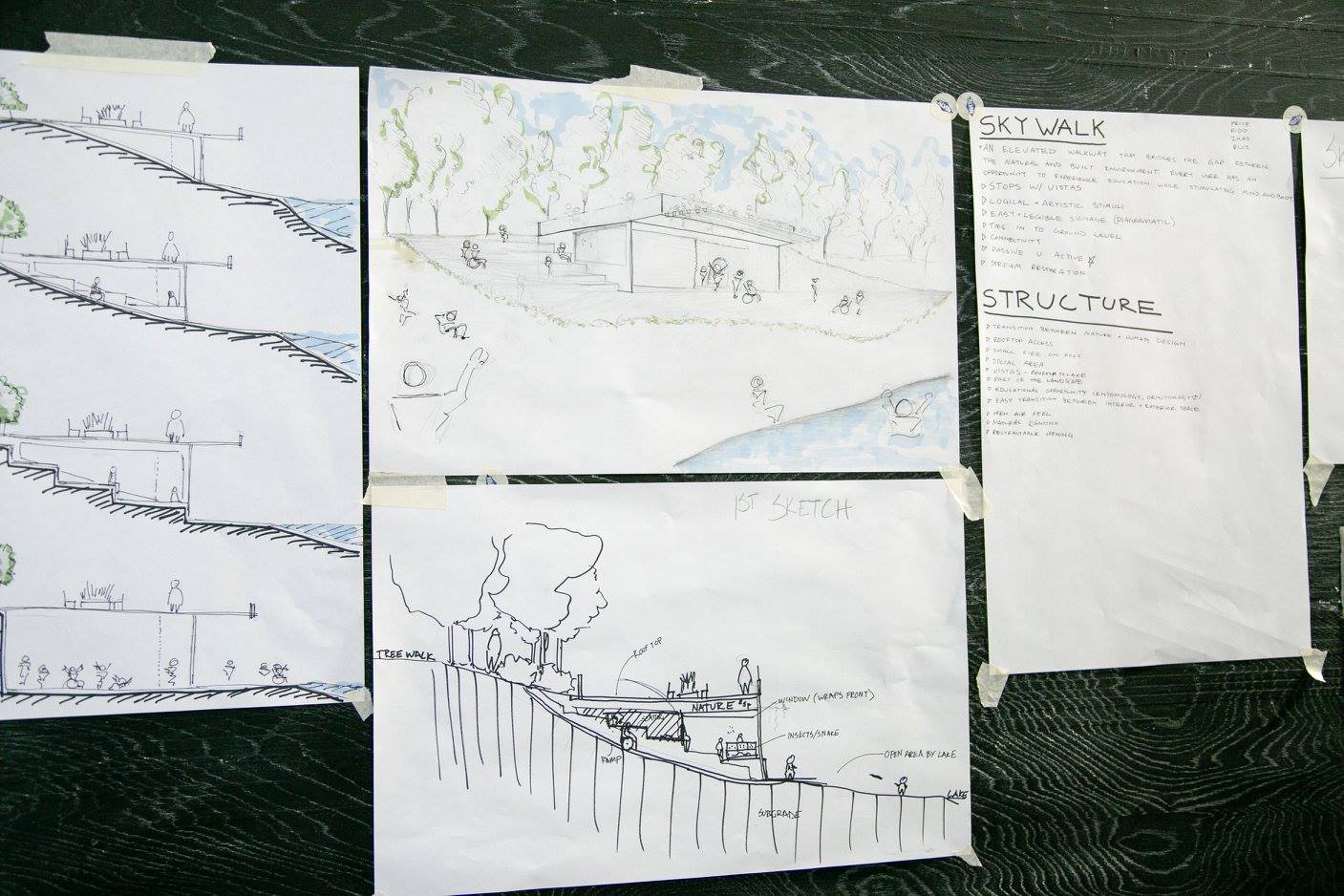
The result is a co-design process capable of highly creative yet feasible solutions. An intensive, hands-on workshop that brings people from different disciplines and backgrounds together with members of the community to explore design options for a particular area. It differs from a traditional community consultation process in that it is design based. The goal of the Charrette process is to capture the vision, values, and ideas generated by the participants. Typically they are a fun and innovative way to engage the public, especially in projects where there is a significant landscape, streetscape, or other interesting design element (Involve, 2018). Is there something about the traditional charrette that allows designers to better deal with the unexpected?
Publications
A second problem with conducting a charrette at the beginning of a project is that it may place too much weight on principles agreed on prior to a full-fledged design investigation. As the language about high-performance hints, this approach greatly favors quantifiable aspects of a building. This design philosophy is preferred by engineering and business, because it rests on the application of accepted scientific principles. Its limitation, as Donald Schön eloquently put it, is that it cannot address new or unique design issues. A charrette is a type of community design meeting commonly used in urban planning and design projects.
References and Resources
The process began with the assignment of a design problem, or squisse, and ended "en charrette" when proctors circulated a cart, or charrette, to collect final drawings for jury critiques while students frantically put finishing touches on their work. The hallmark of a charrette done well is that the outcome is often quickly implemented. For this to happen, it is crucial to have the necessary resources and data to ensure the final product is feasible. Also important to being data ready is securing the right expertise on the charrette team and making the data accessible to community members. By presenting and documenting the results of your design charrette, you can demonstrate the value of this collaborative process and set the stage for a successful project outcome.
NCI 2023 Year in Review - School of Planning, Design and Construction - Michigan State University
NCI 2023 Year in Review - School of Planning, Design and Construction.
Posted: Thu, 11 Jan 2024 08:00:00 GMT [source]
Discover character design, its professional and creative applications, and start creating your first character. Past participating organizations have been so pleased with the results produced that many have requested to be added for our current and future students. Each year our students have contributed 2-4 hours per semester, and have created on the average 2 to 3 projects each, of the hundreds submitted.
The Design Charrette was created so that our students can be a contributing part of leading non-profit organizations that help make a difference in tomorrow's future. Working side by side collaborating and creating the designs that will help benefit our community organizations. An online, on-demand design charrette management platform like DesignCharrette.com makes it possible to have participants from distant locations meet together electronically. If a lack of outreach is a concern, conducting educational workshops on technical aspects of the anticipated project can help gain political momentum and understanding. For example, if the project involves new code work, as was the case in Norman, a workshop on form-based codes in advance of the charrette can educate residents on an important technical aspect of the project.
What degree do you need to be a character designer?
The pre-charrette interviews and meetings confirmed that the community was set on a maximum of two, maybe three stories for buildings in this area despite the fact that the existing zoning permitted more than three stories. There was also a desire that the plan would recognize subareas that could accommodate a range of uses and heights. Working in small table groups, community members then began mapping vision ideas on aerial photos for the neighborhood. Each table briefly reported on the biggest areas of agreement, as well as any areas where they did not agree.
Topic Based Resources
The Norman, Oklahoma, case study provides an example of how the charrette process was used by a growing community faced with increased demand for housing while trying to maintain neighborhood character and rebuild trust in the community. Yet it is also possible to argue that the two forms of the charrette can be complementary. The high-performance charrette starts the necessary process of “closing off” the designers’ inventory, and it introduces the various members of the project team to one another, setting the stage for the continued formation of social bonds.
It can transform a project from a static, complex problem to a successful, buildable plan. Usually, it is an intensely focused, multi-day session that uses a collaborative approach to create realistic and achievable design ideas that respond successfully to the issues at hand. People are motivated to participate when they feel seen and heard; they want to see themselves represented and honored when a development happens in their communities.
These educational efforts should involve both targeted geographic and demographic strategies. Messaging and content may need to be tailored to the specific audience that will participate in the future charrette. If the community is not yet ready for a charrette, there are still steps that can be taken to keep the process moving forward. In extreme cases such as pending or active lawsuits between stakeholders, a charrette may not be practical or advisable until certain disputes are resolved. If after conducting a preliminary stakeholder analysis it is determined that important parties are not willing or able to participate, the timing may not be right.
By assembling a diverse and skilled team, you'll create an environment where ideas can flourish and innovative solutions can emerge during the design charrette. WBDG is a gateway to up-to-date information on integrated 'whole building' design techniques and technologies. The goal of 'Whole Building' Design is to create a successful high-performance building by applying an integrated design and team approach to the project during the planning and programming phases. Perhaps the most telling thing I found is that the definition of a charrette has changed. Most professional architects now equate charrettes with interactive brainstorming sessions. Charrettes of this type, although they may be require sustained concentration, seldom demand the abandonment of family and friends or the compromises of personal health and hygiene that were the unavoidable consequences of the “old” charrettes.
’, the project has established a Vision for the Woodside, Firhill and Hamiltonhill areas integrated with the canal corridor. The Charrette involved dialogue with over 300 stakeholders and members of the local community and it united their individual strengths to provide a cohesive development framework for the area (Landscape Institute, 2016). Design charrettes are known for their participatory nature, rapid iteration, and focus on generating innovative solutions to complex problems. In this article, we will explore the concept of design charrettes in detail, discussing their purpose, process, benefits, and best practices.
Community input on this and other design alternatives was gathered through flip charts, sticky notes, sketches, and questionnaires. Starting late Tuesday, a series of technical meetings were held with city staff to engage them in the design process on codes, land use, and traffic. These initial feedback sessions helped to keep the designs on a feasible course while making staff co-authors of the schemes. A well-run collaborative process can result in a feasible plan that is supported by the community for years to come.



No comments:
Post a Comment