Table Of Content
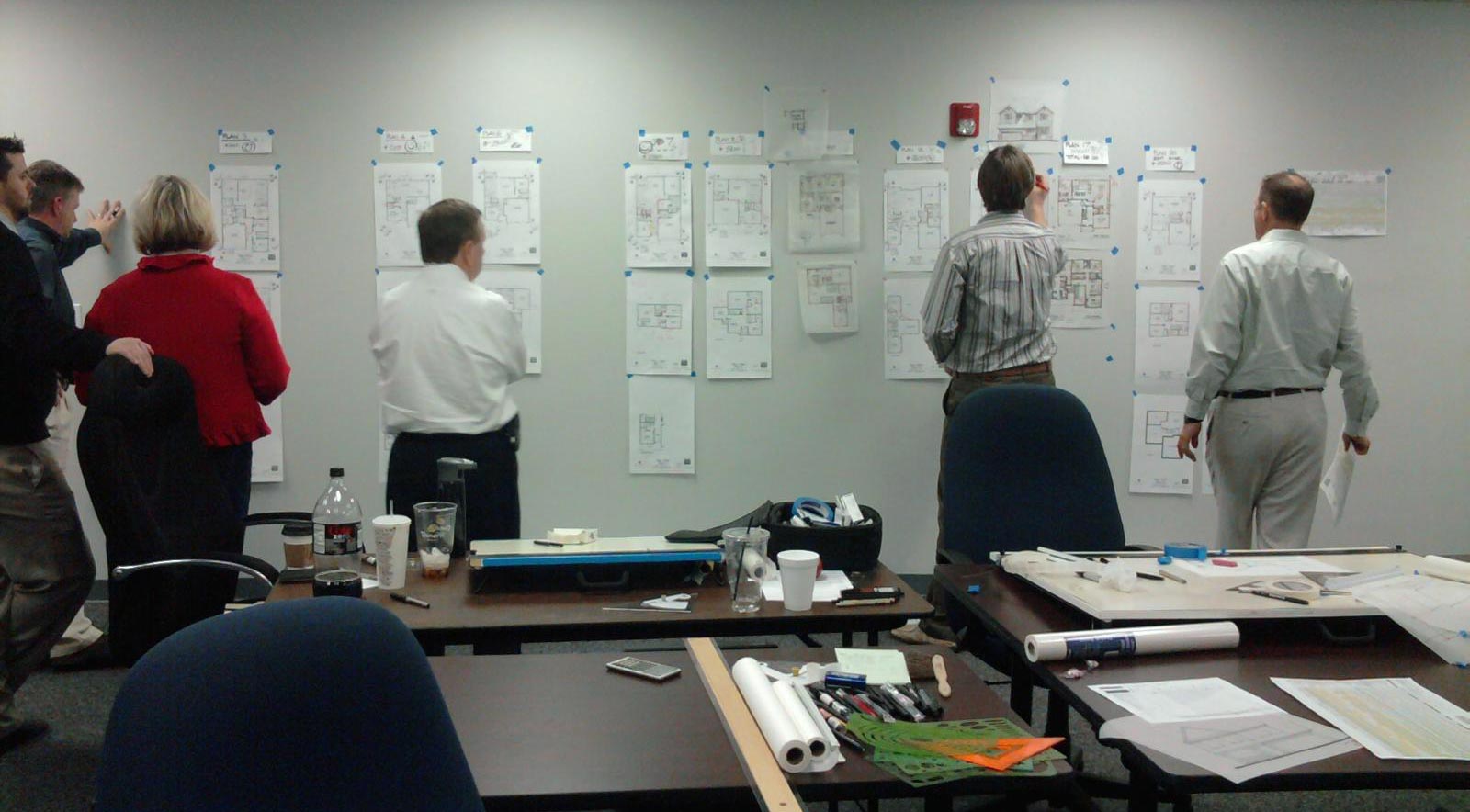
The Norman project was fortunate to have access to a large meeting space run by a local community organization. Well known to the community as a neutral meeting space, this location proved to be a perfect location for the charrette studio. In 2014, a developer in Norman, Oklahoma, proposed a five-story apartment building occupying an entire city block in a one-story single-family neighborhood. It had been more than 40 years since the last substantial update of Norman's zoning code, and though it was unclear how the proposed apartment building would fit into the existing zoning, nothing precluded it outright.
National Planning Conference
Students then present their work to fellow students and faculty in a critiqued presentation. When sketching, use your design templates and sheets to capture the basic shape of your character, proportions, the most salient physical features, and the colors. Next, you’ll fill in details, such as adding buttons to a costume or more volume to the hair. Character designers, sometimes called character animators, are responsible for choosing each detail of a character to communicate a personality, role in a storyline, relationship to other characters, and other essential aspects. Since then several new residential buildings have been erected in the project area, most of them two to three stories in height (Figure 7).
Crafting Charrettes That Transform Communities
T.J. O'Brien Lock and Dam charrette conducted to find structural solutions for lock update - DVIDS
T.J. O'Brien Lock and Dam charrette conducted to find structural solutions for lock update.
Posted: Wed, 06 Mar 2024 08:00:00 GMT [source]
These meetings provide space for open and creative collaboration between designers, community members, and any other stakeholders in a project. Building on the knowledge gathered from the interviews and meetings, the NCI team created a set of draft project values, goals, and objectives to serve as a starting point for the charrette. The main goal was to assure that the charrette design team had all the information to complete the charrette deliverables. Charrettes engage people's creativity by visualizing change through the use of design sketches. This method expands the limits of the conversation beyond words and numbers. What might be described as an inquiry by design process helps people to engage in complex problems in a more complete way.
Create an Environment of Consistent Participation
Charrettes have the power to ignite transformation in communities — but without careful preparation they can backfire, leaving feelings of distrust in their wake. This blog serves as a resource, equipping communities with the essential toolkit needed to organize successful charrette sessions. Beyond merely facilitating the creation of equitable designs, these sessions can have profound implications, fostering a sense of unity among community members. By providing a platform for individuals to voice their opinions and contribute to built environment projects, charrette sessions can empower communities, ensuring that their voices are heard and their visions are incorporated.
Overcoming Community Planning Challenges With Charrettes
Students’ exams were collected in a charrette, and some continued sketching together as their designs were gathered for evaluation. If you've found this blog helpful and want to dive deeper into the world of design, we highly recommend checking out Benjamin Thomson's workshop, 'How to Respond to a Design Brief'. This workshop will provide you with essential tips and techniques for effectively interpreting and responding to design briefs, ensuring your projects meet the expectations of your clients. PAS Memo is a bimonthly online publication of APA's Planning Advisory Service. James M. Drinan, JD, Chief Executive Officer; David Rouse, FAICP, Managing Director of Research and Advisory Services; Ann F. Dillemuth, AICP, Editor. The charrette schedule to create a vision for Center City, Norman, Oklahoma.
More Resources
Does the charrette—the word comes from the French en charrette, with its image of École des Beaux-Arts students working on their drawings even as they were being taken away on a cart1—still exist in professional architecture offices? Is it an integral part of their culture, as it remains, stubbornly, in most architecture schools? For this article, I asked these two questions to six architects representing a range of firm sizes and types. Working together to solve divisive issues and create successful projects is the "charrette way" for design-based public involvement that can change perceptions and positions and unleash local creativity. Because charrettes condense months of meetings into a week or less, filling gaps in knowledge of important and innovative planning terminology or practices may require extra outreach efforts.
Starting with a physical vision for the area and referencing collected community input and base data, designers began drawing plans and renderings that visualized ways that new buildings could be sensitively worked into the neighborhood. They also began to study the impacts of the envisioned growth on streets and parking. Feedback loops and meetings must be carefully timed to ensure that there are a variety of options to fit participants' varied schedules. While NCI advocates that charrettes last between four and seven days, the most important thing is to incorporate three feedback loops in the process (Figure 2). For example, a seven-day charrette is typical for projects with a large geographic area or those that are highly political.
Define the Project Scope
The increased influence of younger architects points to a potential positive aspect of both the old and the new forms of charrettes. A design charrette is basically a meeting or group session where the participants are often selected because of their expertise so they can add value to the intent of that meeting. The intent is to focus the group upon a project that could benefit from insight by the meeting participants towards a better design, construction, usage and more. Some design charrettes can take an original design and look at adding green features, clean energy systems and newer technologies such as Smart home and electric vehicle charging options. Bill Lennertz is the lead trainer of the NCI Charrette System, the first structured approach to design-based collaborative community planning.
Contents
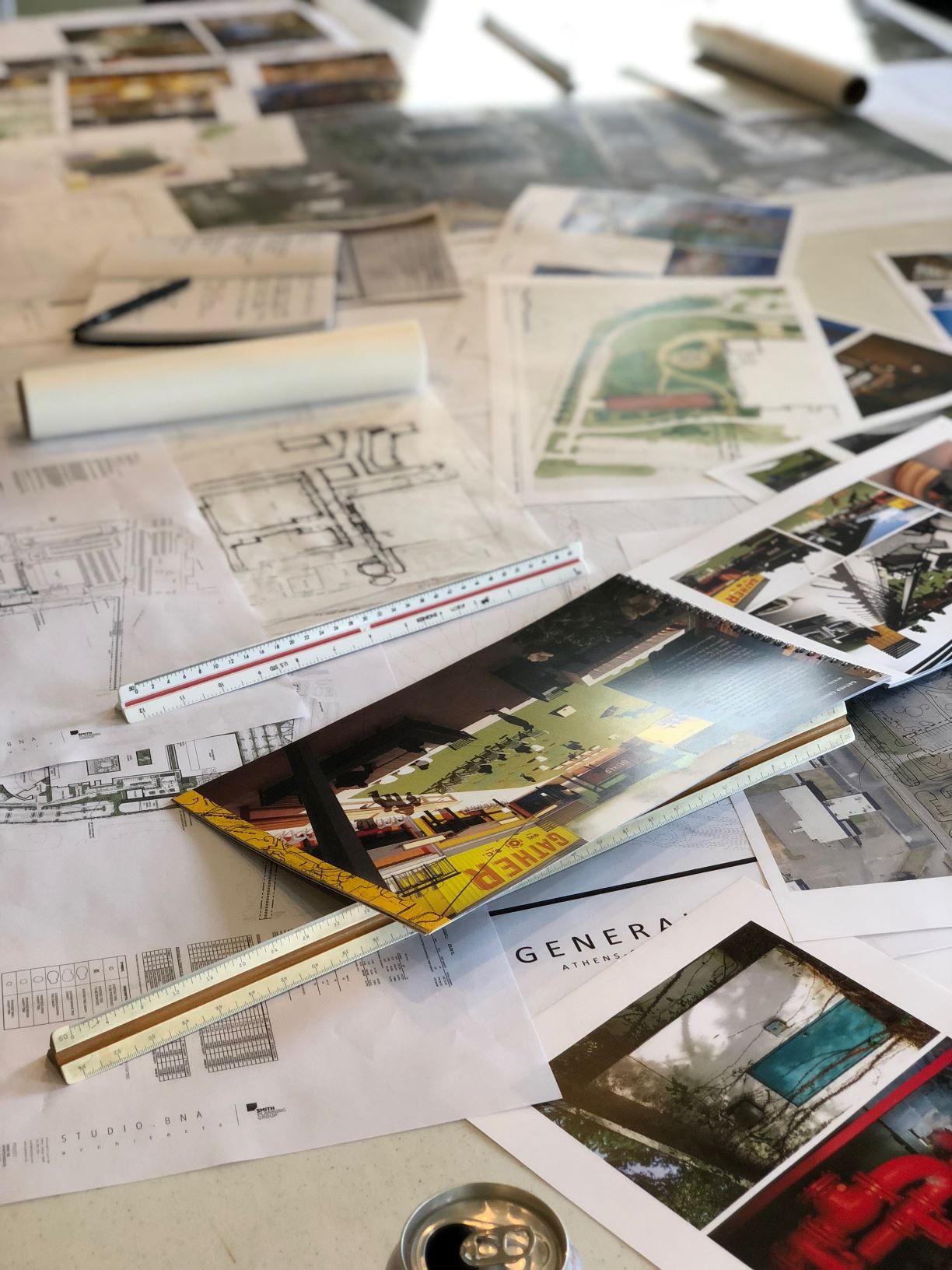
The heart of the charrette is the studio, home to the charrette team during the multi-day charrette. While it might seem the easiest piece to get ready, finding the appropriate location for the studio can often be a challenge. It must accommodate all the needs of a working design office as well as provide the venue for both small and large public meetings. One of the biggest challenges is to have full access to and use of the space for the entire length of the charrette. The base data that goes into the charrette process includes the results from any public interactions or engagements as well as any preexisting plans, reports, or studies. Common data categories include site, transportation, market, social/cultural, economic, regulatory, public health, environment, and urban design.

The team met again with staff to further develop the main elements of the code. The transportation engineer developed proposed modifications to the neighborhood streets that would support a more walkable environment. This cycle of work continued until the open house on Wednesday evening, when the charrette design team put its pencils down and engaged with the public. Those concerned about traffic met with the transportation engineer, others interested in building form met with the architects. When it looked like there was a critical mass, the design team presented some of the key ideas and opened the floor to comments.
Helena Area Habitat for Humanity talking about design for planned East Helena neighborhood - KTVH
Helena Area Habitat for Humanity talking about design for planned East Helena neighborhood.
Posted: Tue, 06 Feb 2024 08:00:00 GMT [source]
A key difference of charrettes as opposed to other public engagement processes is that participants are engaged in the co-creation of the proposal as opposed to simply reacting to a plan or proposal. Key stakeholders who are left out of the process will create difficulties for implementation down the road. One of the most contentious issues concerned the design of the Campus Corner area, directly across from the university campus (Figure 4). This small commercial area with one- to two-story buildings is highly valued by the community.
Once you have your big idea, you can make your case with all your reasons and all of your boards filled with supporting evidence. Because everyone was involved in the finished product, everyone can explain and defend it. Design Charrettes are used by the military, municipal and federal governments, private industry, international organizations to neighborhood improvement groups and the list goes on and on.



No comments:
Post a Comment